Collective Influence: 5 Things We Learned About Diversity in the Creator Economy
Here's the inside scoop from the day's event...
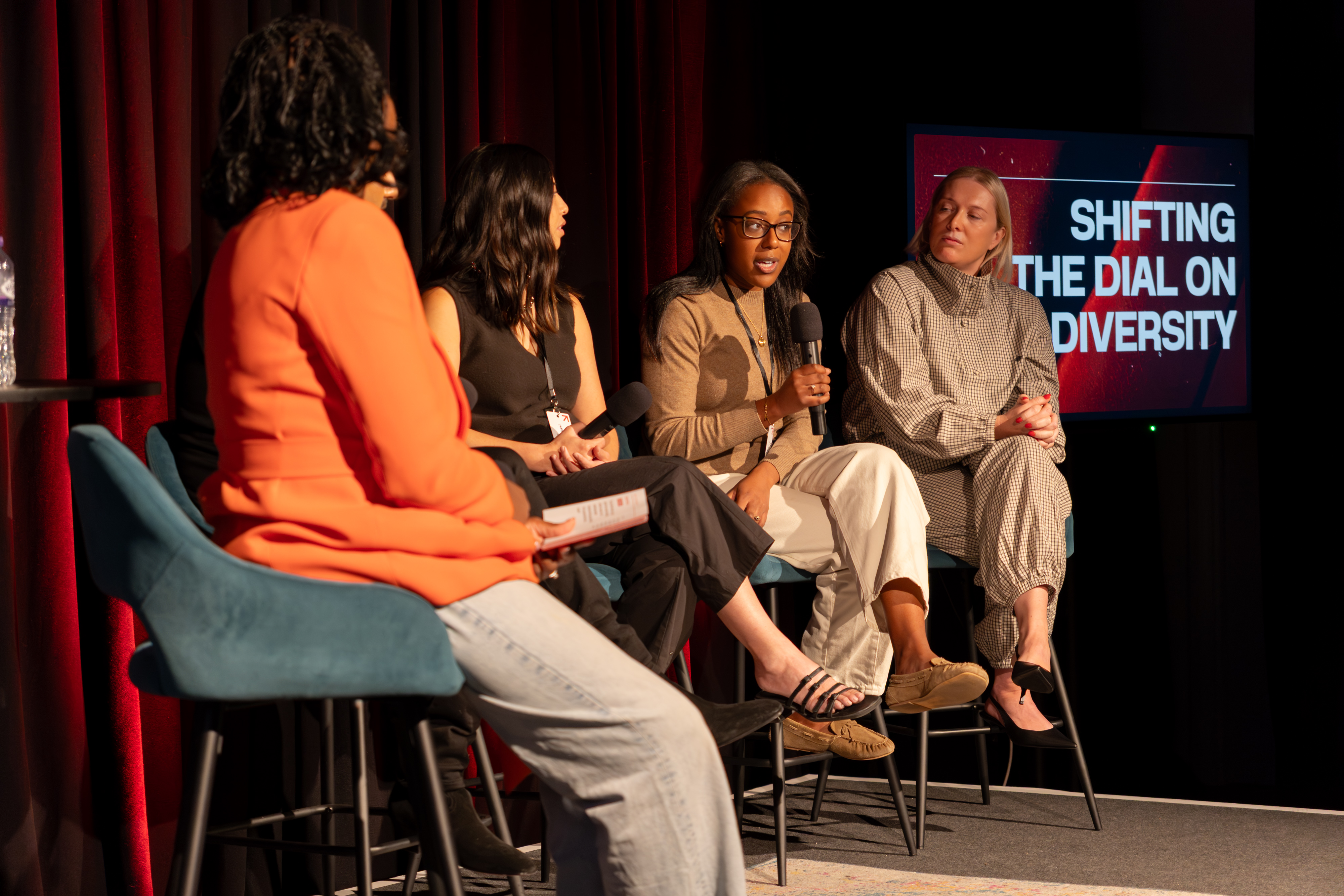
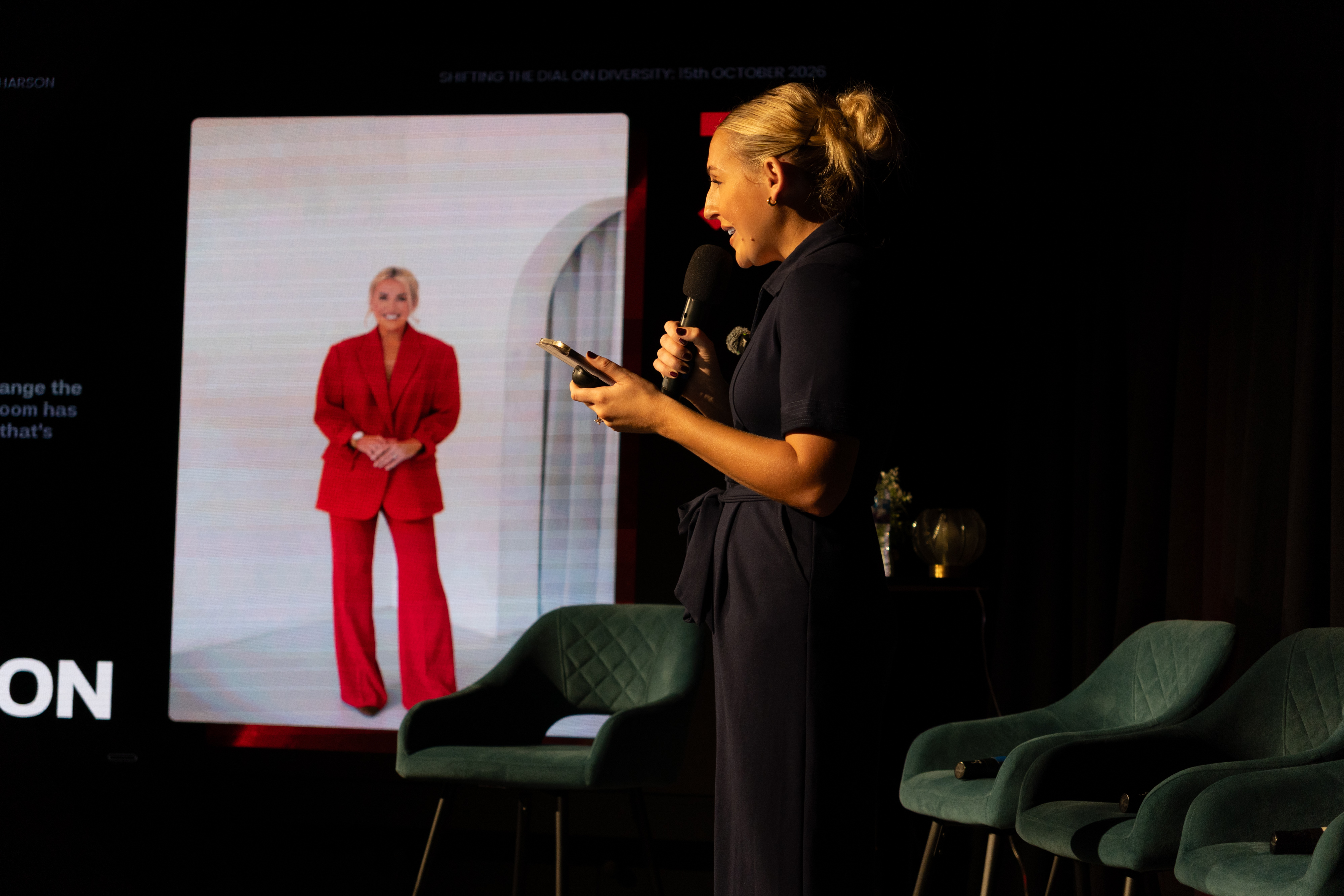
On 15 October, FARQ brought together creators, brands, agencies and industry thought-leaders for the first Collective Influence event, Shifting the Dial on Diversity. Here's what we learned, and what happens next.
When we launched Collective Influence, we had one ambition: to bring people from across the creator industry together for honest conversations about diversity, inclusion and the barriers that continue to exist.
We wanted to create a space where people could share their experiences, challenge existing norms and, most importantly, identify changes that are actually within their power to make.
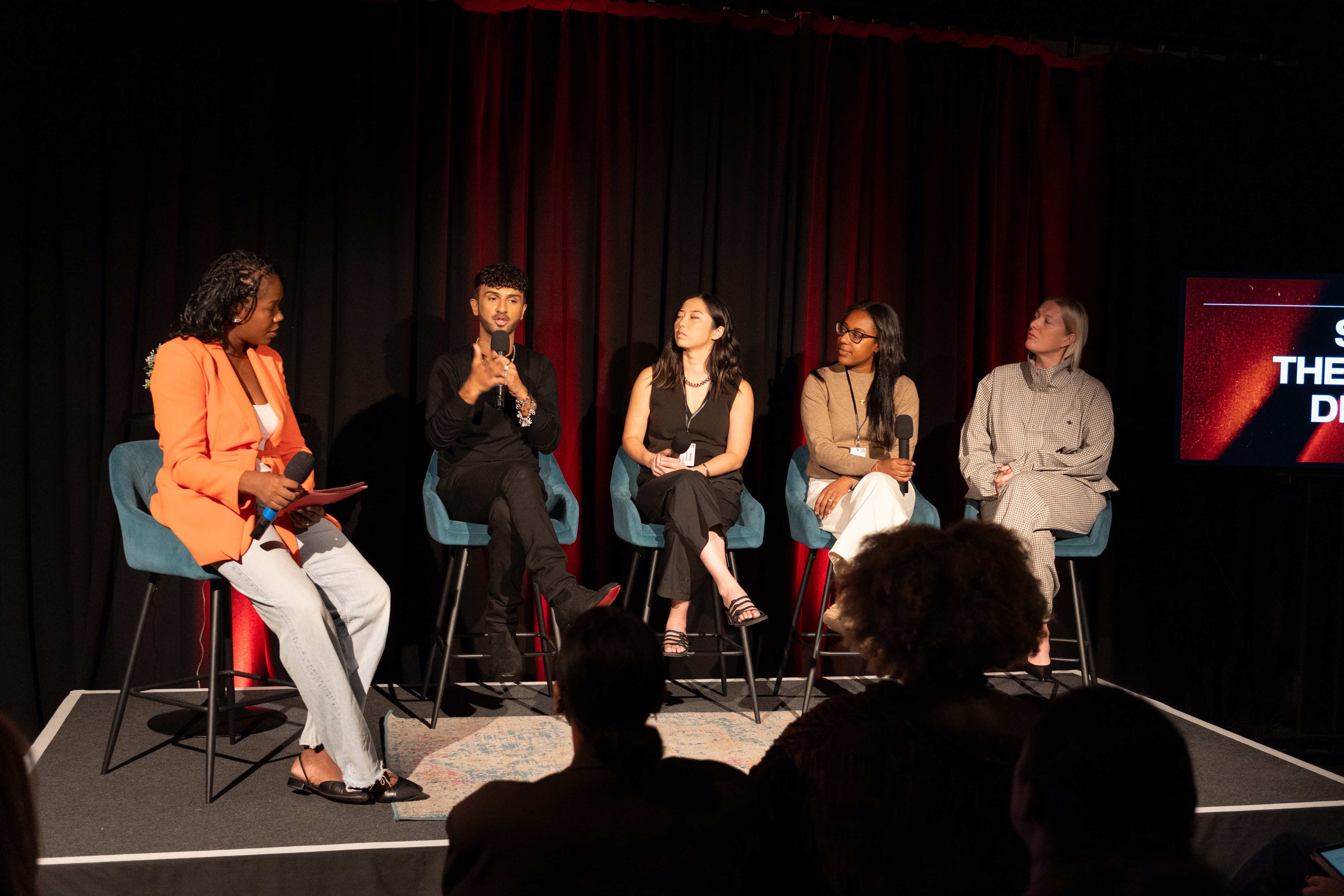
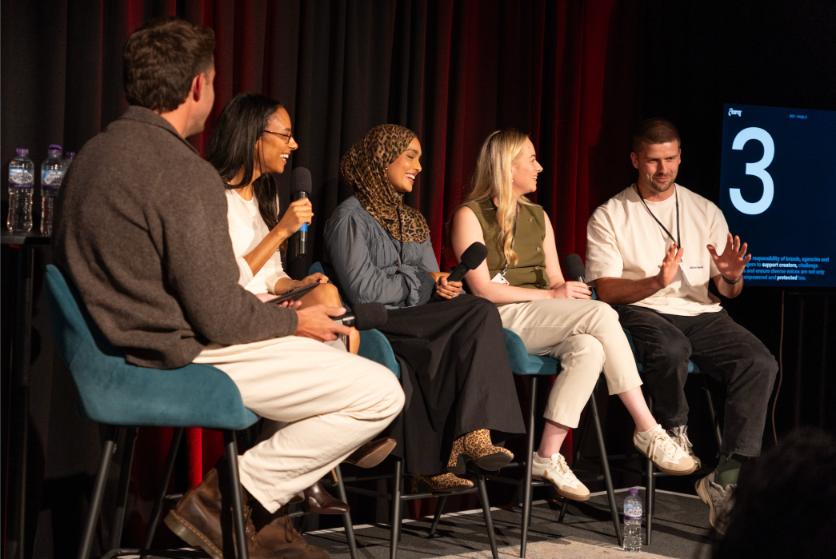
Hosted at The Drum Labs in Shoreditch, our first event brought together creators, talent managers, agency founders, brand representatives and legal experts for three conversations: The Opportunity Gap, Beyond the Guest List and Who Has the Creator's Back?
And while we certainly didn't leave with all the answers, we did leave with a much clearer understanding of where our industry needs to focus its attention.
Here are five of our biggest takeaways:
1. Diversity starts with who's making the decisions
We often talk about diversity in the creator industry in terms of who appears in campaigns, who gets signed by agencies and who actually gets the opportunities.
But more thought needs to be put on the people making those decisions.
After all, they're the ones who are discovering talent, allocating budgets and ultimately deciding what makes a creator commercially viable.
Our first panel, The Opportunity Gap, explored the barriers that exist long before a creator is ever considered for a paid partnership.
Discussion centred around how a career as a content creator often requires significant investment before there is any financial return. Time, equipment, materials, travel and the ability to create consistently without guaranteed income are not equally accessible to everyone.
That means the creators who become visible to brands and agencies aren't necessarily representative of everyone with the talent or potential to succeed.
And if the same people continue to make the same decisions, using the same discovery methods and criteria, how much can we realistically expect to change?
What needs to happen next?
Brands and agencies need to look beyond their existing networks and algorithms, challenge assumptions about what commercially successful talent look like and consider how their own teams and decision-making processes influence who is picked.
2. Being invited isn't the same as being included
One thing became very clear through our conversation: A diverse guest list simply a starting point.
Our second conversation, Beyond the Guest List, explored what happens after talent receive an invitation to an event, campaign or brand trip.
Are their individual needs being considered? Have the organisers asked about dietary or religious requirements? Are the hair and makeup teams equipped to work confidently across different hair textures and skin tones? Is the environment genuinely welcoming to everyone attending?
These might seem like relatively small operational details, but they can have a significant impact on somebody's experience.
One of the simplest lessons from this conversation was also one of the most important:
Ask people what they need. And ask them early enough to do something about it.
Inclusion shouldn't depend on a creator feeling comfortable enough to speak up after arriving at an event and discovering that their needs haven't been considered. It must be built into the planning process from the beginning.
What needs to happen next?
We want to encourage brands, agencies and event organisers to make inclusive planning standard practice, rather than something considered only when an issue arises. One of the practical resources we're exploring is an Inclusive Creator Events Checklist to help make that process easier.

3. Creator protection must be proactive, not reactive
When a creator experiences racism, discrimination or targeted abuse as a result of a commercial partnership, who is responsible for protecting them? Is it the talent? Their management? The brand? The agency? The platform?
Our final conversation, Who Has the Creator's Back?, disected what happens when things go wrong and the responsibilities of the different parties involved - a subject that has already prompted us to look more closely at our own practices at FARQ and ask the following questions:
What happens when abusive comments appear under a sponsored post? Who is responsible for monitoring them? What escalation process exists? What support is available to the creator? And what do the contractual obligations actually allow them to do?
These questions shouldn't be answered for the first time in the middle of a crisis.
What needs to happen next?
We believe creator protection needs to become a more deliberate part of campaign planning and contracting. That means clearer expectations around moderation, escalation, communication and the circumstances in which content may need to be paused or removed.
We're exploring how the learnings from this conversation can inform practical creator-protection guidance for the wider industry.

4. Speaking up should be encouraged
One of the recurring themes throughout Collective Influence was the importance of communication - and exactly how we do it.
Not every conversation about diversity will be comfortable. But avoiding conversations because we're worried about getting something wrong doesn't move anything forward either.
And there is a difference between approaching a conversation with genuine curiosity and expecting others to do the work of educating us. We need to be willing to listen, challenge our own assumptions and accept constructive feedback.
We want to empower everyone to ask the right questions and be open to having them asked too:
Could a brand broaden its guest list? Has an event organiser considered different cultural requirements? Could an agency introduce creators who might otherwise have been overlooked?
Progress will only happen if somebody feels confident enough to ask.
What needs to happen next?
We want to help make those conversations easier to have.
One of the ideas we're taking forward is a practical Speak Up Toolkit, with guidance and suggested language for raising questions around representation and inclusion constructively.
5. Inclusion can't stop at senior leadership
One of the most important considerations for brands and agencies is how we make sure these conversations reach every level of an organisation.
It's often the most junior members of a team who are researching creators, compiling guest lists, preparing briefs and coordinating campaigns. Are we equipping them with the knowledge and confidence to make inclusive decisions? And, just as importantly, are we giving them the support to speak up when something doesn't feel right?
This starts with building more representative teams, at every level, but it also requires ongoing education and a genuine commitment from senior leadership to lead by example. We can't expect junior employees to instinctively know how to navigate every situation without giving them the tools, training and encouragement to do so.
What needs to happen next?
Brands and agencies should review the diversity of their own teams, invest in practical training for employees at every level and ensure inclusive thinking is embedded into onboarding, everyday processes and decision-making.
So, what happens next?
For us, Collective Influence was always intended to be more than a one-off event. Our ambition is to develop it into an ongoing initiative built around three things:
Conversation. Creating space for honest discussions involving people with lived experience, industry expertise and the ability to influence change.
Action. Working collaboratively to develop practical resources that brands, creators and agencies can use in their everyday work.
Accountability. Sharing what we're learning, reviewing our own practices and following through on the commitments we make.
Following our first event, we're exploring a series of practical resources focused on inclusive casting and discovery, creator events, creator protection and communicating more confidently about inclusion.
We also want to continue bringing the industry together through future Collective Influence conversations, giving subjects such as disability and accessibility the dedicated attention they deserve.
But above all, we want to keep asking the question that shaped our first event:
What's one thing our industry could change tomorrow?
Because meaningful progress won't come from one event, one panel or one agency. It will come from the decisions we all make afterwards.
Want to be part of what happens next?
We'd love to hear from creators, brands, agencies and industry professionals who want to contribute their expertise, collaborate on practical resources or help shape future Collective Influence conversations.
Get in touch at hello@farq-media.com to join the conversation.
READ MORE

Collective Influence
Collective Influence: Shifting the Dial on Diversity
Friends of FARQ
18 Creators, One Table: The First Friends of FARQ
Friends of FARQ